
Kapalı kalıp dövme ne zaman doğru tercih? When is closed-die forging the right choice?
Bir parça için "döküm mü, dövme mi, yoksa doğrudan talaşlı imalat mı?" sorusu çoğu zaman maliyet kadar dayanımla da ilgilidir. Kapalı kalıp dövmenin gerçekten fark yarattığı yerlere bakalım. For many parts, "cast, forge or machine from solid?" is a question of strength as much as cost. Let's look at where closed-die forging genuinely makes the difference.
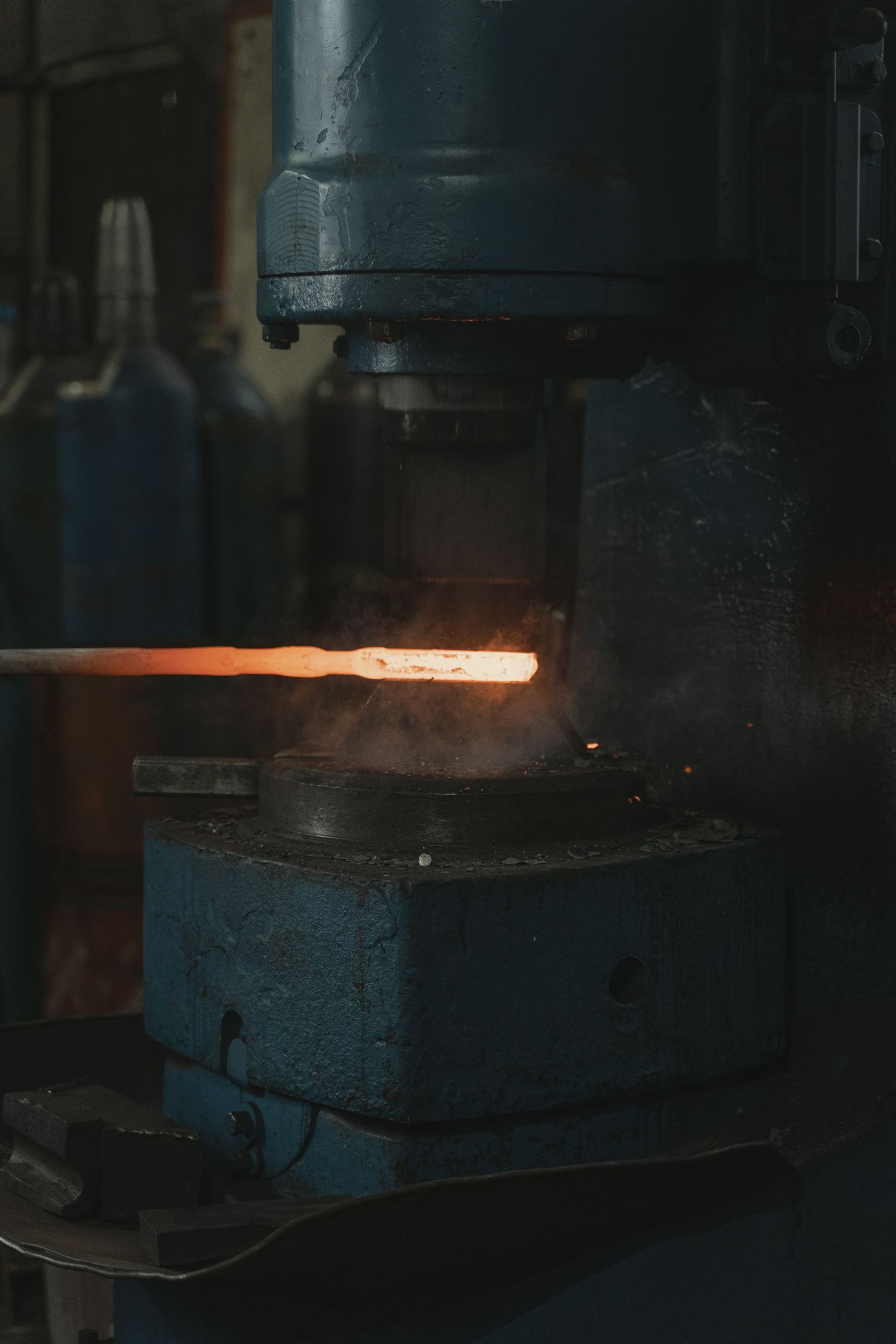
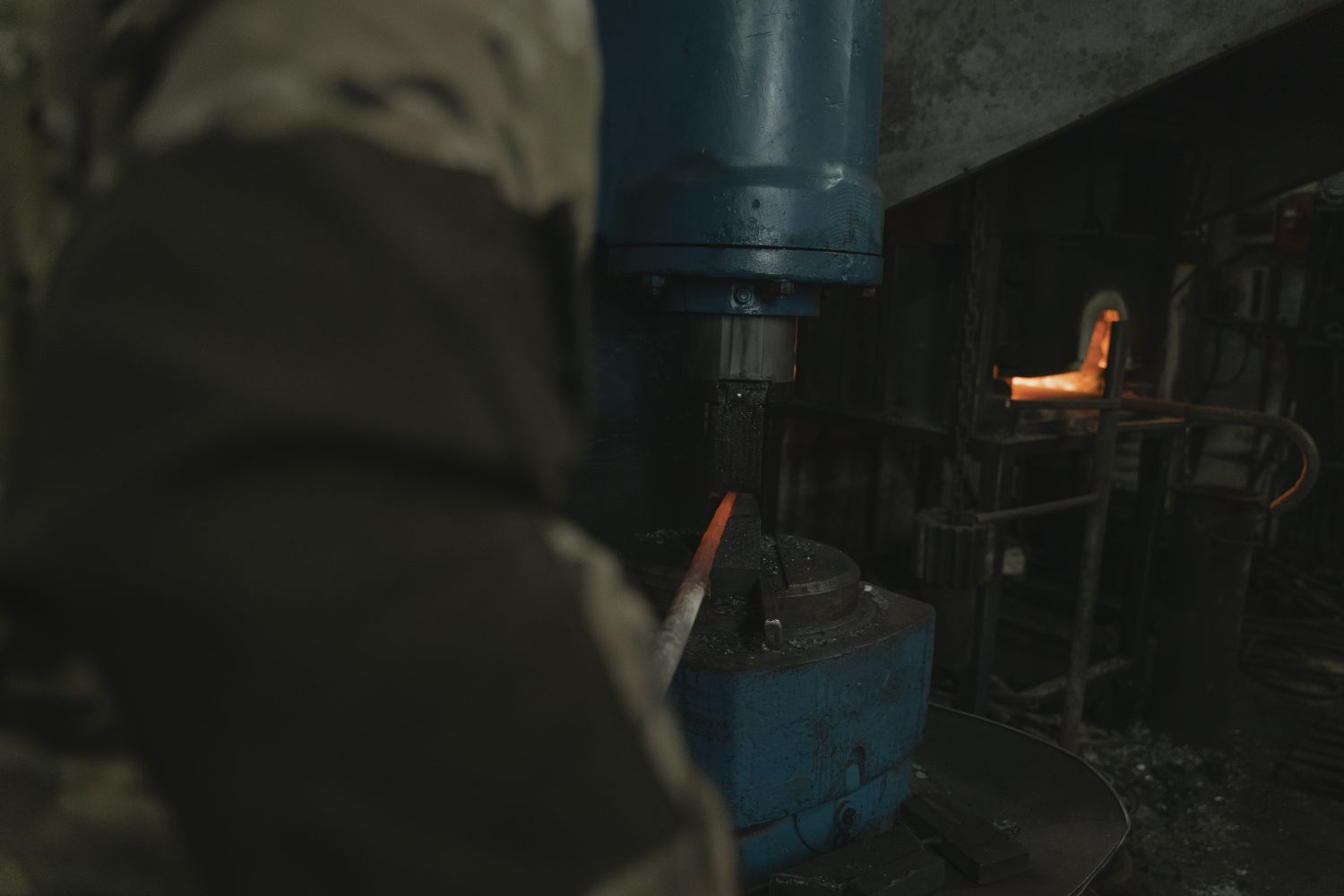
Kapalı kalıp dövmede, tav sıcaklığına getirilen kütük kalıp boşluğunu doldururken malzemenin tane akışı parçanın geometrisini takip eder. Bu sürekli lif yapısı, dövme parçalara dökümde veya talaşlı imalatta elde edilmesi zor bir yorulma ve darbe dayanımı kazandırır. In closed-die forging, as the heated billet fills the die cavity, the grain flow follows the part's geometry. This continuous fibre structure gives forged parts fatigue and impact strength that is hard to match with casting or machining from solid.
Dövmenin öne çıktığı durumlarWhere forging stands out
- Yüksek yük taşıyan parçalar: dişliler, şaftlar, süspansiyon ve fren bileşenleri gibi tekrarlı gerilmeye maruz parçalar.Highly loaded parts: gears, shafts, suspension and brake components exposed to repeated stress.
- Seri üretim: kalıp bir kez hazırlandığında, tekrarlanabilir kalitede yüksek adetler ekonomik hâle gelir.Series production: once the die is made, high volumes at repeatable quality become economical.
- Malzeme verimliliği: nete yakın şekil, talaşlı imalatta kaybedilen malzemeyi azaltır.Material efficiency: a near-net shape reduces the material lost in machining.
"Doğru parçada dövme; daha hafif, daha dayanıklı ve toplamda daha düşük maliyetli bir çözüm sunar." "On the right part, forging delivers a lighter, stronger and ultimately lower-cost solution."
Her parça için dövme en doğru yöntem olmayabilir; karar, geometriye, adetlere ve dayanım gereksinimlerine bağlıdır. Bu yüzden süreci tasarımdan kaplamaya tek çatı altında değerlendiriyor ve sizinle birlikte en uygun yolu belirliyoruz. Forging isn't the right method for every part; the decision depends on geometry, volumes and strength requirements. That's why we assess the process from design to coating under one roof and define the best route together with you.